







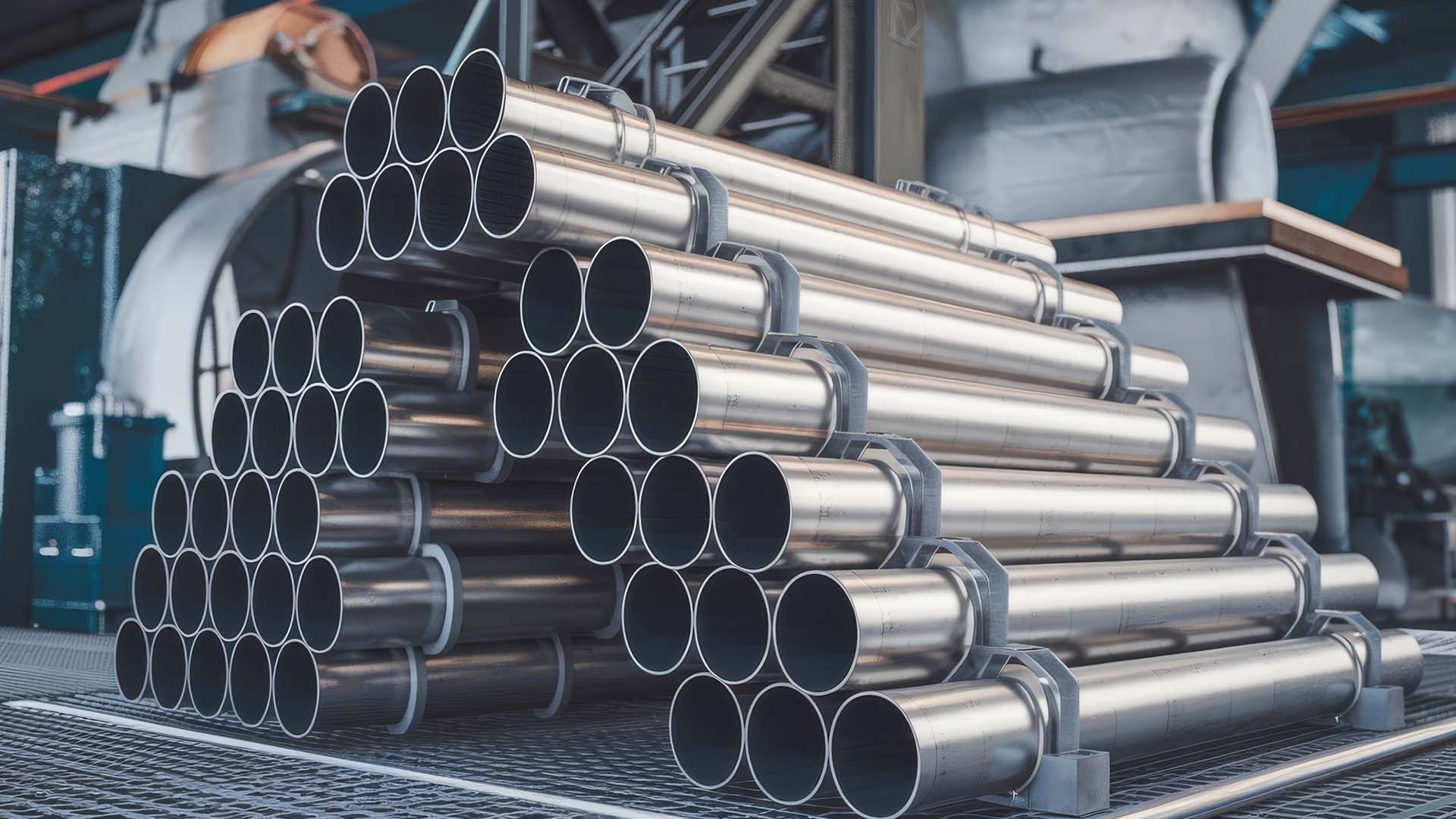
Industrial projects rely heavily on strong and reliable piping systems. Whether used in construction, manufacturing, chemical processing, food production, or infrastructure development, stainless steel pipes play a major role in maintaining safety and operational efficiency.
Selecting the correct pipe schedule is especially important because it directly affects pressure handling, durability, and long-term system performance. This is why industries carefully evaluate products such as Stainless Steel Pipe Schedule 40 and other stainless steel piping solutions before starting important projects.
Modern industries require piping systems that can handle demanding operating conditions without compromising safety or reliability. Using low-quality materials or incorrect pipe specifications can increase maintenance costs and reduce system lifespan.
According to Forbes, businesses that invest in durable infrastructure materials often improve operational efficiency while reducing long-term repair expenses. Stainless steel piping continues to be one of the most trusted solutions because of its strength and corrosion resistance.
Why Stainless Steel Pipes Are Widely Preferred
Stainless steel pipes are known for their durability, excellent corrosion resistance, and ability to perform in challenging environments. Unlike ordinary piping materials, stainless steel maintains its structural integrity under moisture exposure, pressure fluctuations, and chemical contact.
Industries choose Stainless Steel Pipe Schedule 40 products because they provide stronger wall thickness and better pressure handling capability for medium to heavy-duty applications.
Reliable stainless steel piping systems offer several important benefits:
- Excellent corrosion resistance
- Long operational lifespan
- Better temperature tolerance
- Reduced maintenance requirements
- Improved system safety
These advantages make stainless steel a preferred material for industrial and commercial projects worldwide.
Understanding Schedule 40 Stainless Steel Pipes
Pipe schedules refer to the wall thickness of the pipe. A thicker wall generally means higher pressure handling capability and increased structural strength.
Stainless Steel Pipe Schedule 40 is commonly used in industries that require strong and durable piping systems capable of handling moderate to high-pressure applications. These pipes are widely used in:
- Industrial fluid transfer systems
- Chemical processing plants
- Construction projects
- Food and beverage industries
- Water treatment facilities
Their balanced combination of durability and versatility makes them suitable for many demanding industrial operations.
Why Schedule 10 Stainless Steel Pipe Is Also Popular
Not every application requires heavy wall thickness. In many industries, lighter piping systems are preferred for easier installation and lower material weight.
This is where Schedule 10 Stainless Steel Pipe becomes highly useful. Schedule 10 pipes have thinner walls compared to Schedule 40, making them suitable for lower-pressure applications while still maintaining the advantages of stainless steel.
Businesses choose Schedule 10 Stainless Steel Pipe because it offers:
- Lower material weight
- Easier installation
- Cost-effective piping solutions
- Good corrosion resistance
- Smooth fluid flow performance
These pipes are commonly used in architectural systems, food-grade applications, decorative structures, and low-pressure industrial systems.
Choosing the Right Pipe for Your Application
Selecting the correct stainless steel pipe depends on several operational factors. Industries should evaluate pressure requirements, environmental conditions, installation needs, and long-term maintenance expectations before choosing a pipe schedule.
When comparing Stainless Steel Pipe Schedule 40 and Schedule 10 Stainless Steel Pipe products, businesses should consider:
- Pressure handling requirements
- System operating conditions
- Installation environment
- Material durability needs
- Budget and maintenance expectations
Working with experienced suppliers helps businesses identify the right piping solutions for their specific applications.
Quality Manufacturing Improves System Reliability
Pipe quality is just as important as pipe specification. Poor manufacturing standards can lead to leakage problems, weak structural performance, and expensive maintenance issues.
Reliable manufacturers focus heavily on:
- Precision manufacturing
- Material consistency
- Surface finish quality
- Corrosion resistance standards
- Product testing and inspection
High-quality stainless steel pipes provide better long-term reliability and reduce the risk of operational failures.
Maintenance Helps Extend Pipe Lifespan
One of the biggest advantages of stainless steel systems is their relatively low maintenance requirement. However, regular inspections still help improve long-term performance.
Inspect Piping Systems Regularly
Check for signs of stress, leakage, or environmental damage during routine maintenance.
Keep Systems Clean
Proper cleaning helps maintain corrosion resistance and operational efficiency.
Use Correct Pipe Specifications
Using the right pipe schedule reduces unnecessary operational strain on the system.
Choose Quality Suppliers
Professionally manufactured Schedule 10 Stainless Steel Pipe and Schedule 40 systems generally provide better durability and reliability.
Preventive maintenance helps industries avoid costly repairs and unexpected operational downtime.
Reliable Stainless Steel Piping Supports Long-Term Success
Modern industries require piping systems that can perform efficiently under varying operational conditions. Stainless steel continues to be one of the most reliable materials for long-term industrial performance.
High-quality Stainless Steel Pipe Schedule 40 products provide excellent durability and pressure resistance for demanding industrial applications. At the same time, Schedule 10 Stainless Steel Pipe offers a lightweight and cost-effective solution for lower-pressure systems and easier installations.
For businesses looking to improve system efficiency, reduce maintenance costs, and ensure long-term operational reliability, choosing trusted stainless steel piping solutions is a smart investment that delivers durability, safety, and dependable performance for years to come.