







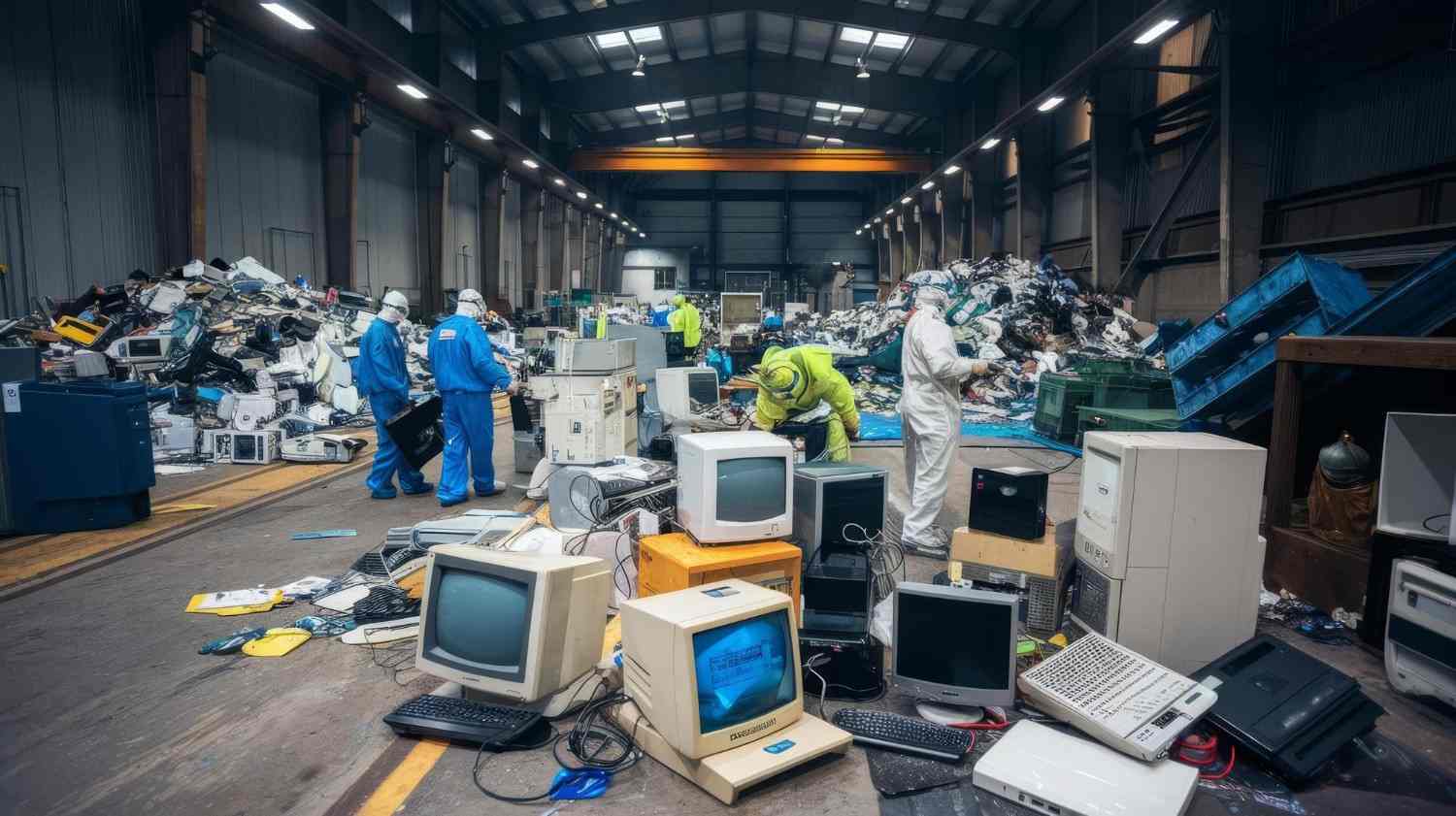
Old computers, damaged laptops, unused printers and outdated office equipment often remain stored in cupboards and warehouses long after they stop serving a purpose. However, electronic waste is not ordinary rubbish. It contains materials that may be recovered through proper recycling, as well as components that require careful handling. For businesses looking to manage these items responsibly, choosing a reliable E-Waste Management Company is an important step. Hulladek PWL, based in Jaipur, Rajasthan, provides electronic waste collection, recycling, IT asset disposal and related waste management services for businesses and organisations. Its services offer a starting point for companies seeking structured solutions for electronic waste across Rajasthan and beyond.
Why Responsible E-Waste Management Matters
Electronic waste, commonly called e-waste, includes discarded electrical and electronic equipment such as computers, laptops, mobile devices, printers, monitors, cables and other electronic accessories. As organisations upgrade their technology, the volume of outdated equipment can grow quickly.
Improper disposal can create environmental and operational concerns. Some electronic components contain substances that should not be released into the environment. At the same time, discarded devices may contain reusable materials, including metals and plastics, that can be recovered through appropriate recycling processes.
Responsible e-waste management supports three important objectives:
- Environmental protection: Reduces the risk of unsuitable disposal and uncontrolled handling.
- Resource recovery: Helps recover useful materials from discarded electronic equipment.
- Business accountability: Supports better waste records and responsible environmental practices.
For companies, a planned disposal process is more effective than allowing obsolete equipment to accumulate without a clear destination.
What to Look for in an E-Waste Management Company
Selecting a recycling partner involves more than comparing collection prices. Businesses should understand how waste is collected, transported, processed and documented.
A suitable service provider should be able to explain its process clearly and provide relevant information about regulatory compliance. Companies should also verify applicable registrations and authorisations directly rather than relying only on promotional statements.
Important factors to review include:
1. Appropriate regulatory authorisation
India’s E-Waste (Management) Rules, 2022 establish responsibilities for relevant manufacturers, producers, refurbishers and recyclers. The rules came into force on 1 April 2023 and include an Extended Producer Responsibility (EPR) framework.
Businesses should check whether the provider’s role requires registration and verify its current status through official regulatory records. The Central Pollution Control Board’s E-Waste EPR Portal provides information about the framework, registered stakeholders and applicable procedures.
2. Clear collection and transportation arrangements
A professional collection process should account for the type, quantity and location of electronic waste. Businesses may need a one-time pickup after an office upgrade or scheduled collection for recurring waste generation.
Packaging, handling and transportation should be discussed before collection so that equipment is moved safely and records remain organised.
3. Documentation and traceability
Businesses often need evidence showing how their discarded equipment was handled. Ask the provider what documentation is available, such as collection records, recycling documentation or certificates where applicable.
These records can support internal audits, sustainability reporting and waste-management reviews.
Hulladek PWL: E-Waste and IT Asset Disposal Solutions
Hulladek PWL identifies itself as a government-authorised e-waste management company in Jaipur, approved by the Rajasthan Pollution Control Board. Its website lists services covering electronic waste recycling, e-waste collection, computer and laptop recycling, IT asset disposal, battery waste management and plastic waste management.
The company also describes collection and logistics services for businesses, including flexible pickup arrangements. Its stated service coverage includes Jaipur, Rajasthan and pan-India waste management support. Organisations should contact the company to confirm service availability, accepted material categories and applicable requirements for their location.
For businesses comparing an E-Waste Company in India, these service details can help identify whether a provider’s offerings match their operational needs.
Why IT Asset Disposal Needs Special Attention
IT equipment can contain more than recyclable materials. Computers, laptops, servers and storage devices may also hold confidential business information.
Simply sending an old device for recycling does not automatically mean its stored data has been securely erased. Before handing over equipment, organisations should create an inventory and establish a data-handling procedure.
A practical IT asset disposal checklist includes:
- Record device type, quantity, serial number and condition.
- Identify laptops, desktops, servers and storage media that may contain sensitive information.
- Back up business data that must be retained.
- Arrange approved data sanitisation or destruction before disposal.
- Confirm the collection process and request relevant documentation.
- Retain records according to internal policies and applicable requirements.
An experienced IT waste company should be able to explain how it handles IT equipment and what documentation it can provide. Businesses should separately verify the specific data-destruction method and service scope before transferring devices.
Understanding Extended Producer Responsibility
Extended Producer Responsibility, or EPR, is an important part of India’s electronic waste management framework. It places defined responsibilities on producers for managing the end-of-life stage of covered products.
Under the E-Waste (Management) Rules, 2022, relevant producers must meet their EPR obligations through the prescribed system. Registered recyclers generate EPR certificates through the CPCB portal, and producers use eligible certificates to fulfil applicable recycling obligations.
EPR is particularly relevant to manufacturers, importers and brand owners placing covered electrical and electronic equipment on the Indian market. Other businesses may have separate responsibilities depending on their role and activities.
Hulladek PWL lists EPR-related support for electronic, plastic and battery waste. Companies should discuss their specific business category and compliance requirements with the service provider and confirm regulatory obligations through official sources.
Building a Practical E-Waste Management Plan
A well-organised plan makes electronic waste easier to manage. Businesses can begin by identifying the equipment they discard most frequently and estimating how much waste they generate each quarter.
Next, separate reusable equipment from items that genuinely require recycling or disposal. Functional devices may be suitable for redeployment or refurbishment, subject to data security and organisational policies.
Create a collection schedule, assign responsibility to an internal team and maintain records of every transfer. Review the process periodically to identify gaps and improve accountability.
Working with a suitable IT waste company can help organisations coordinate collection and recycling as part of a wider environmental management programme.
Make Responsible E-Waste Management a Business Priority
Electronic waste deserves a planned approach, not a last-minute disposal decision. Choosing the right E-Waste Management Company can help businesses organise collection, understand recycling options, maintain documentation and support responsible resource recovery.
Hulladek PWL lists e-waste recycling, IT asset disposal, EPR-related support and collection logistics among its services. Businesses in Jaipur, Rajasthan and other serviceable locations can explore its offerings, discuss their waste requirements and confirm the relevant authorisations and documentation before proceeding.