







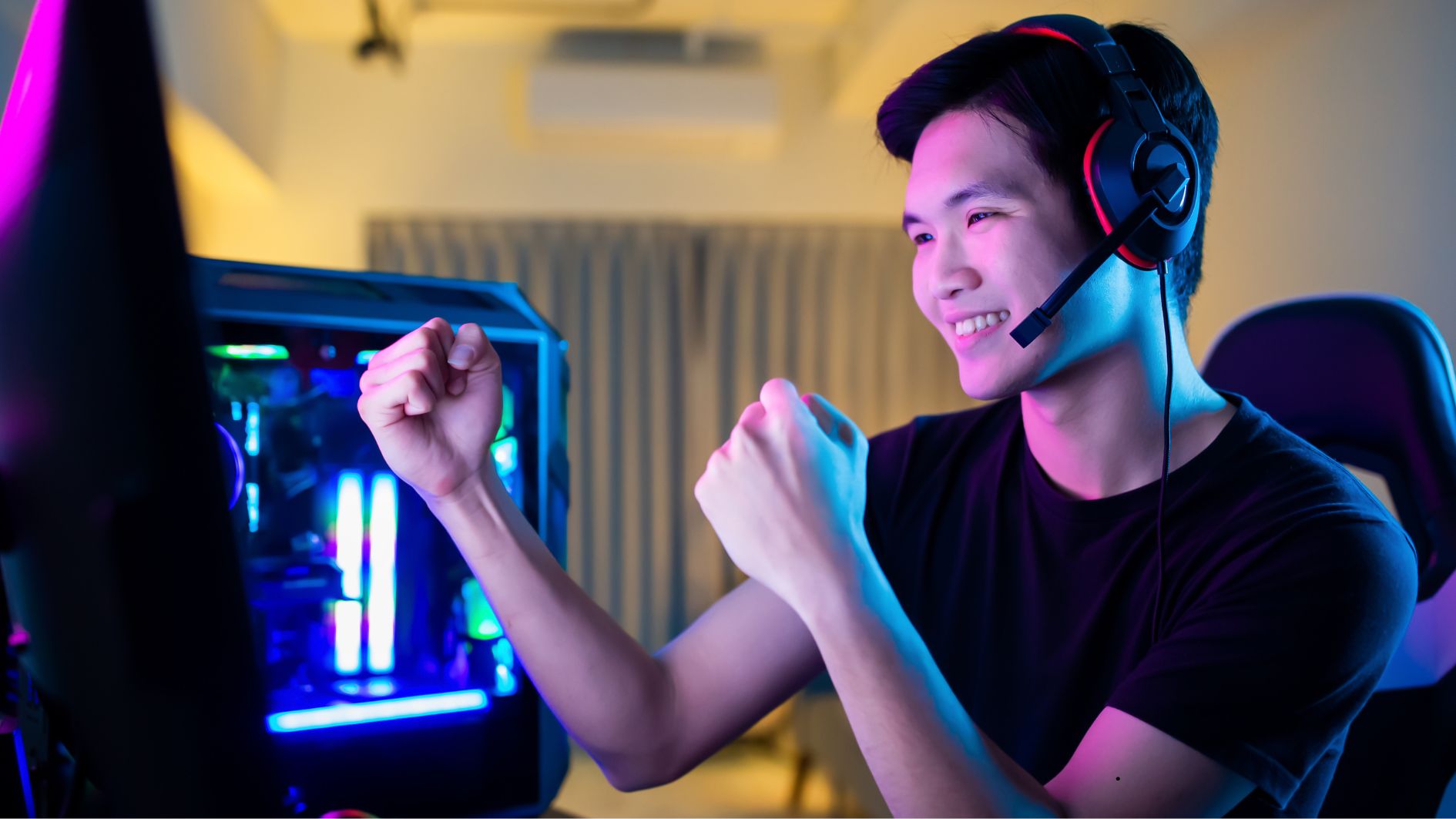
Digital games and interactive entertainment can provide enjoyable ways to spend free time. However, maintaining a healthy balance requires thoughtful decisions about time, spending, personal information, and emotional well-being. Establishing boundaries before beginning an activity can help people keep entertainment within reasonable limits.
Readers exploring JU7 or other online gaming services should understand the difference between recreational entertainment and activities that involve financial risk. Responsible participation begins with clear expectations and an awareness that outcomes may be uncertain.
Understanding Responsible Gaming
Responsible gaming means making informed choices, setting personal limits, and recognizing when an activity is becoming difficult to manage.
It does not mean that every gaming experience is inherently harmful. Rather, it encourages people to approach entertainment in ways that protect their finances, relationships, health, and everyday responsibilities.
Set Clear Time Limits
Before starting a gaming session, decide how much time you want to spend. A timer or scheduled break can help make that boundary easier to maintain.
Avoid allowing entertainment to interfere with sleep, education, work, exercise, or time with family and friends.
Make Breaks Part of Your Routine
Regular breaks can reduce prolonged screen time and give you an opportunity to assess how you feel.
If you find it difficult to stop when planned, consider shortening sessions or taking a longer break from the activity.
Establishing a Sensible Financial Boundary
Some online gaming environments involve purchases, deposits, entry fees, or other financial transactions. These activities should be approached differently from free entertainment because money can be lost.
Never Treat Gaming as Guaranteed Income
Claims of guaranteed winnings or certain financial returns should be treated with skepticism. Outcomes involving chance or uncertainty cannot be made reliable simply through promotional language.
Do not use borrowed money, essential household funds, or money reserved for bills to participate in activities involving financial risk.
Decide on a Spending Limit in Advance
If an activity includes optional spending, establish a firm limit that fits your discretionary budget. Stop when that limit is reached rather than increasing it to recover losses.
People who cannot comfortably afford to lose the amount involved should not spend that money on gaming.
Evaluating an Online Gaming Platform
Responsible participation also involves checking the service before registering or providing personal information.
Review the operator’s identity, terms and conditions, privacy policy, age requirements, and any applicable regional restrictions.
People researching the JU7 Game should verify what the service actually offers instead of relying exclusively on promotional descriptions or unsupported claims.
Look for Transparent Information
A service should provide understandable information about its rules and applicable conditions. If fees, eligibility requirements, withdrawal terms, or other important details are unclear, avoid making commitments until you understand them.
If the activity is regulated where you live, verify relevant licensing claims through the appropriate regulator.
Recognizing Signs of Unhealthy Gaming Habits
Gaming may become a concern when it repeatedly interferes with responsibilities or causes distress.
Warning Signs to Take Seriously
Consider reassessing your habits if you notice that you:
- Frequently exceed your intended time or spending limits.
- Neglect work, school, relationships, or sleep.
- Continue playing to escape persistent distress.
- Feel compelled to recover money already lost.
- Hide the amount of time or money spent.
- Experience conflict with others because of gaming.
One sign does not automatically establish a disorder, but recurring patterns deserve attention.
Steps That May Help
Set stricter limits, remove saved payment methods where appropriate, take a break, and talk with someone you trust. If gaming or gambling feels difficult to control, consider seeking support from a qualified professional or an appropriate support service.
Protecting Privacy While Gaming
Responsible participation includes protecting personal information. Avoid sharing passwords, identity documents, financial details, or verification codes with unverified websites or other users.
Use unique passwords and review the permissions granted to any related applications.
Be Careful With Messages and Promotions
Unexpected messages promising prizes, special rewards, or account upgrades may be attempts to obtain personal information. Verify offers through independently confirmed official channels rather than clicking unfamiliar links.
Creating a Balanced Entertainment Routine
A balanced routine makes room for other activities. Consider alternating screen-based entertainment with physical activity, social interaction, hobbies, and adequate sleep.
Parents and guardians should also consider age suitability and household rules when deciding whether younger people may access particular games or online services.
Review Your Habits Regularly
Every few weeks, consider whether your gaming time and spending remain consistent with your priorities.
If the activity is no longer enjoyable or begins creating problems, taking a break is a reasonable choice.
Frequently Asked Questions
1. What does responsible gaming mean?
It means setting reasonable boundaries, understanding risks, protecting personal information, and keeping entertainment from interfering with essential responsibilities.
2. Should gaming be treated as a way to earn money?
No. Activities involving chance or financial risk should not be treated as reliable income, and winnings should never be assumed to be guaranteed.
3. How can users manage gaming time?
They can set session limits, use reminders, take regular breaks, and schedule entertainment around work, study, sleep, and other responsibilities.
4. What should someone do if gaming becomes difficult to control?
Consider taking a break, setting stronger restrictions, talking with a trusted person, and seeking professional support if the behavior continues to cause problems.
Responsible gaming involves more than choosing a platform. It requires time management, realistic expectations, financial boundaries, privacy awareness, and attention to personal well-being.
Anyone exploring JU7 or another online gaming service should understand its terms and verify its legitimacy before participating. Keeping entertainment within healthy limits and avoiding activities that create financial or emotional pressure can help protect long-term well-being.
Disclaimer: This article is educational and is not a substitute for professional advice. Anyone experiencing gambling-related harm should seek appropriate support.