







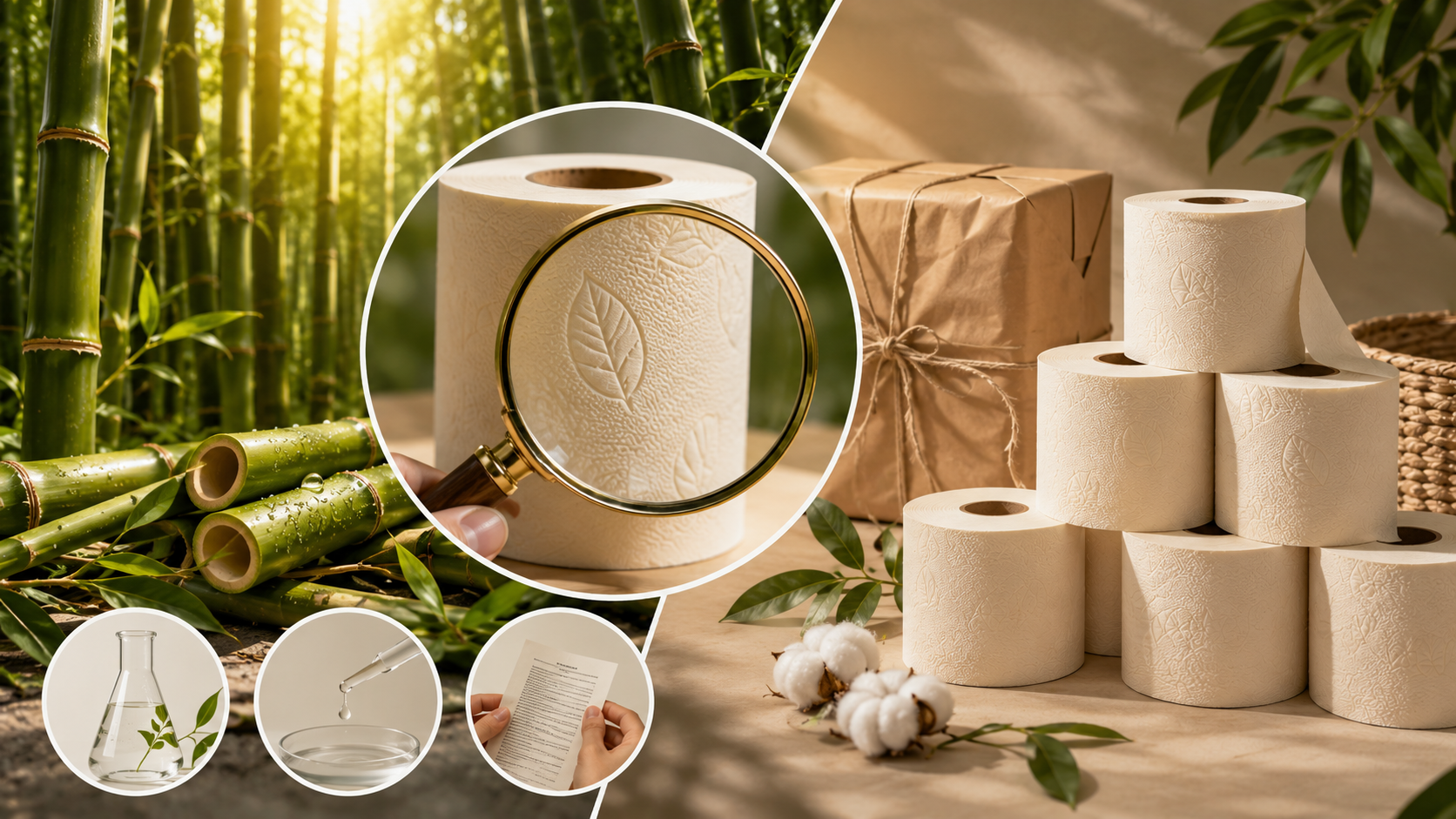
A generation ago, buying toilet paper meant comparing sheet count and price per roll. Today, a growing share of shoppers are flipping the package over first, scanning for words like “chlorine-free,” “unbleached,” and “organic” before anything else. That shift in attention has helped push Organic Bamboo Toilet Paper from a specialty item into a category retailers now stock by default.
What Changed in the Bathroom Aisle
The habit of reading ingredient labels started in food and skincare, where consumers grew wary of additives they couldn’t pronounce. It has since spread into categories that once seemed immune to that kind of scrutiny, toilet paper among them. The logic is straightforward: a product used on sensitive skin, repeatedly, deserves the same attention as what goes on a plate or a face.
A few things shoppers are now checking for:
- Whether the paper is bleached with chlorine, which can leave behind trace byproducts, or processed using oxygen or elemental chlorine-free methods instead.
- Whether dyes or added fragrance are used, both are common irritants for sensitive skin.
- Whether the product contains BPA, a chemical more commonly discussed in plastics but occasionally flagged in paper coatings and packaging.
Why Bamboo Fits That Standard Naturally
Bamboo has an advantage here that has less to do with marketing and more to do with how the plant grows. It typically requires little to no pesticide or fertilizer to thrive, which gives manufacturers a cleaner starting material before any processing begins. Combined with a soft, naturally strong fiber, that has made bamboo toilet paper a common base for brands pursuing organic and chemical-free claims, rather than relying on synthetic softeners to compensate for a lower-quality fiber.
The Difference Between “Bamboo” and “Organic Bamboo”
Not every bamboo toilet paper carries an organic claim, and the distinction matters. Bamboo bathroom paper broadly refers to the fiber source. Organic status is a separate claim about how the plant was grown and processed, typically requiring certification from a recognized body rather than a brand’s own labeling.
Shoppers looking to verify the difference are increasingly advised to:
- Look for a named certifying organization rather than a generic “eco-friendly” badge.
- Check whether the brand discloses its bleaching method directly on the packaging or website.
- Treat vague language like “natural” or “green” with more skepticism than specific, verifiable claims.
Convenience Has Followed the Trend
As shoppers have gotten pickier about what’s in the roll, buying habits have shifted too. Rather than restocking at the store, many households now use a bamboo toilet paper subscription that ships a set supply on a recurring schedule, matched to how quickly the household actually uses it. It’s a small logistical change, but one that has made it easier for buyers to stick with a more deliberate choice instead of grabbing whatever is cheapest and closest during a rushed errand.
Some brands have taken the model further, pairing the product with the delivery method. Wholeroll, for instance, sells an organic bathroom tissue through a recurring bamboo bathroom paper subscription, aiming to keep both the ingredient list and the packaging aligned with what health-conscious buyers are already looking for elsewhere in the house.
Why This Habit Spread From the Kitchen to the Bathroom
Label-reading didn’t start with toilet paper. It started with groceries, as shoppers grew more attentive to preservatives, added sugar, and artificial coloring, then extended into skincare and cleaning products as similar concerns about long-term chemical exposure took hold. Toilet paper was one of the last categories to get the same treatment, largely because it seemed too mundane to warrant the same scrutiny.
That’s changed for a few reasons:
- Sensitive skin conditions and allergies have made ingredient transparency more of a health issue than a purely environmental one for many buyers.
- Broader awareness of how paper is bleached and processed has made “unbleached” and “chlorine-free” recognizable terms outside of niche eco-shopping circles.
- Social media and product review culture have made it easier for shoppers to compare specific brands rather than relying on whatever a store happens to stock.
The result is a bathroom aisle that now gets scrutinized with roughly the same care as a pantry shelf, a shift that would have seemed unlikely even a decade ago.
Reading Past the Marketing
Not every claim on a bamboo toilet paper label holds up to scrutiny. Reporting from outlets including The Columbian and ABC News has pointed out that the environmental and health benefits of “eco-friendly” toilet paper depend heavily on farming practices, processing methods, and how transparent a brand is willing to be about both. A roll labeled organic without any supporting certification is worth a second look before it’s worth a repeat purchase.
The Bottom Line
The fine print on a toilet paper package used to be an afterthought. Now it’s often the deciding factor. As Organic Bamboo Toilet Paper becomes easier to find and easier to verify, the shift away from unexamined multipacks looks less like a passing trend and more like a permanent change in how households think about a product they use every day.