



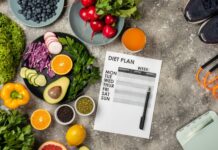


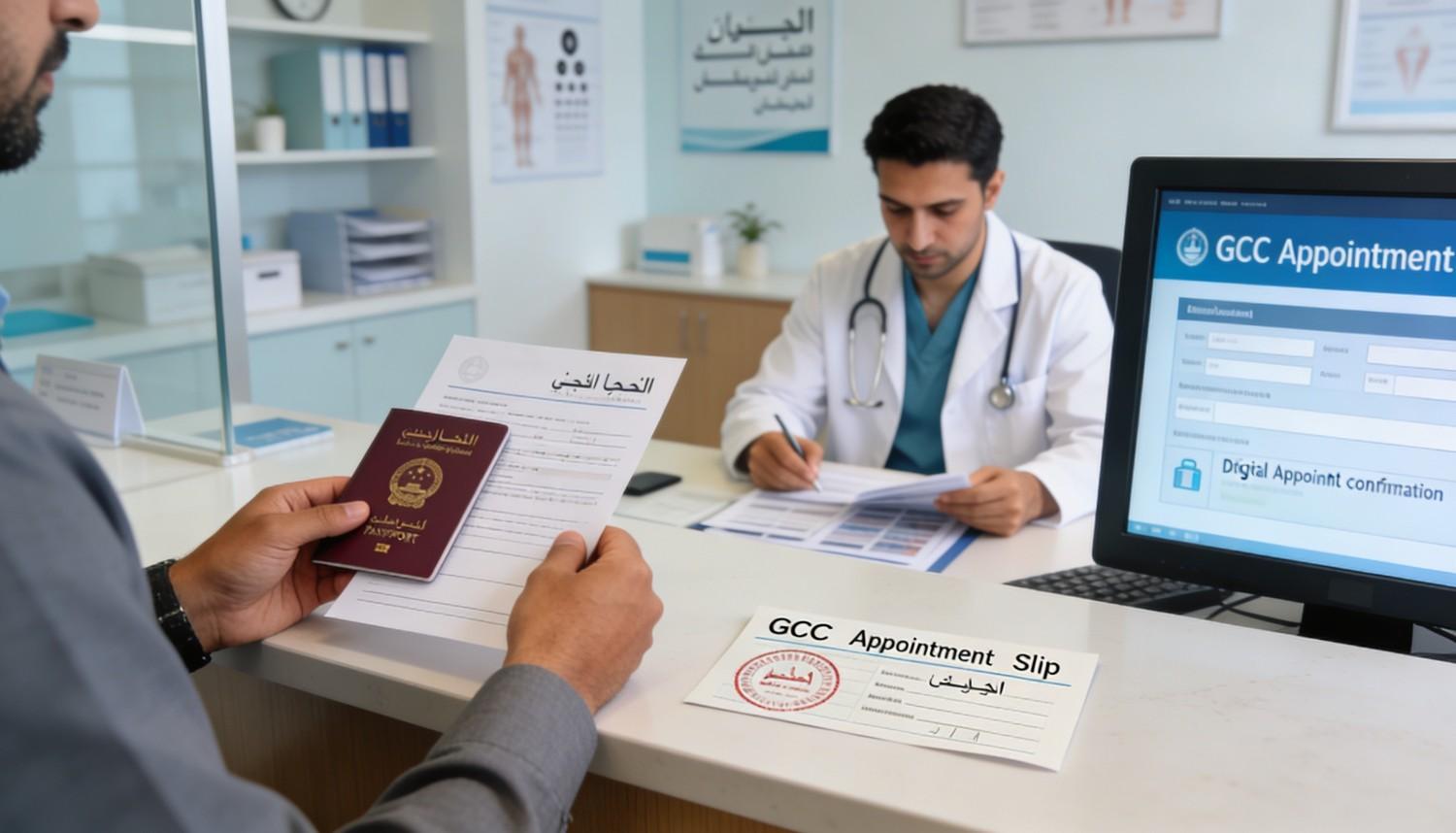
Getting ready for your GAMCA medical test is more than just making an appointment and visiting the medical center. What you eat and drink before a medical test can greatly affect the performance of your body during blood, urine and X-ray tests.
Good nutrition can contribute to better test results, boost energy levels while preparing for your test, and help minimise stress on your system. Here are some tips on proper nutrition and preparation for your GAMCA medical test.
The importance of diet in medical testing
Blood work, urine, and X-rays are affected by your present health status, which depends on your blood sugar, cholesterol levels, liver enzymes, water balance and body immune system.
Healthy diet habits can regulate your body’s natural functions and help tests that evaluate general health status. Your diet doesn’t guarantee an outcome, but it does help maintain normal metabolism and well-being during medical tests.
General Principles of Pre-Exam Nutrition
Your diet should be based on balanced, whole, and nutritious foods that maintain blood biomarkers. Rather than restrictive or fad diets, aim for balanced nutrition.
Here are some general dietary guidelines:
Balanced Meals: Eat a variety of proteins, carbs and fats. This ensures sustained energy and blood sugar levels.
Fiber-Rich Food: Eating fiber-rich foods like whole grains, legumes, fruits such as apples, vegetables such as broccoli and leafy greens aid digestion and overall metabolic health. A variety of eating patterns may promote health and prevent chronic metabolic diseases. Plant-based diets may be able to reduce chronic disease risk and improve brain health.
Water: Drinking plenty of water helps improve kidney function, which stabilises urine tests.
You should avoid extremes and eat in moderation. Your diet should be balanced, healthy and easily digestible.
Guidelines for Eating Before the GAMCA Medical Test
1. Eat More Whole Food and Fiber
Whole foods (unprocessed) are good for the digestive system and metabolism.
Examples include:
• Oats, whole grain cereals
• Whole grain rice or quinoa
• Fruits – bananas, apples, berries
• Vegetables like carrots, spinach, zucchini
• Legumes, lentils, pulses
These foods help maintain stable digestion, and provide micronutrients that support healthy blood and cell function.
2. Lean proteins for healthy blood test results
Proteins repair the body and boost immunity. Include sources such as:
• Lean meat like chicken breast
• Fish and seafood
• Eggs
• Legumes and tofu
Protein promotes stable blood glucose levels and preserves muscle tissue while not overworking the liver.
3. Healthy Fats
Healthy fats are important for hormone levels and cell health.
Good sources are:
• Nuts and seeds
• Olive oil
• Avocado
• Oily fish (such as salmon)
Don’t overeat fats, but do eat healthy fats.
4. Hydration and Liquids
Stay well-hydrated in the lead-up to your test. This will enhance the results of your urine test and maintain good kidney health.
Spread your water intake throughout the day.
5. Stay Away from Highly Processed and Sugary Snacks
Processed snacks, sugary beverages, and fried foods can affect your blood sugars, liver enzyme levels, and metabolic results.
Limiting these foods can help normalize blood values.
What to Avoid in the Days Leading Up to the Test
• High sugar foods (sweets, soft drinks)
• Too much caffeine before bedtime
• Excessively salty snacks
• Too much alcohol
If you avoid these foods 2 to 3 days before your medical test, you’ll be in a more stable metabolic state during the testing period.
Menu for Pre-Test Diet Day
· Breakfast: Oatmeal with bananas and almonds
· Lunch: Roast chicken, brown rice and steamed vegetables
· Afternoon Snack: Greek yogurt with fresh fruit
· Dinner: Grilled fish with quinoa and green vegetable stir fry
· Hydration: Water throughout the day
This diet contains a balance of macronutrients and micronutrients to promote a steady metabolism and reduce digestive discomfort prior to your race.
Lifestyle Recommendations Along with Nutrition
Nutrition is only part of the plan. Combine your diet plan with:
• 7-8 hours of sleep
• Low intensity exercise (walking)
• Stress management practices
• Refraining from smoking or drinking alcohol for a few days
These practices help to stabilise your body’s processes during blood and urine analysis.
Conclusion
The GAMCA medical test doesn’t require a complicated diet. The combination of a healthy diet including whole foods, optimal hydration and healthy meals helps your body perform optimally and ensure you have a healthy profile when assessed by the medical practitioner.
Plan your food carefully, minimize the intake of processed foods and consistently support your body to have peace of mind during the medical test.