







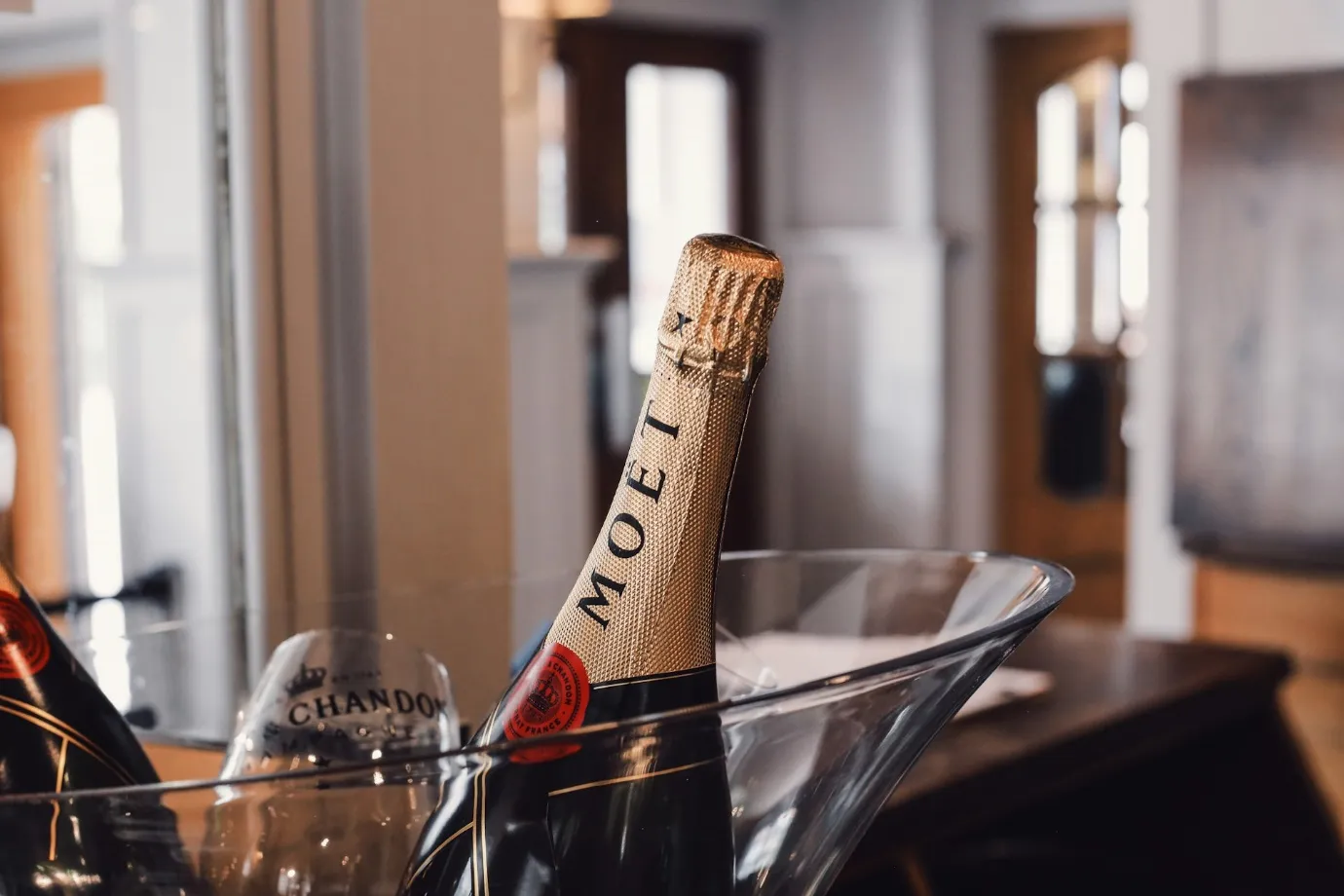
French gastronomy has long been associated with precision, balance, and a certain understated elegance. From delicate seafood dishes served along the Atlantic coast to buttery pastries in Parisian cafés, every detail matters at the table. Yet among all the traditions woven into French dining culture, one pairing continues to stand out across generations: brut champagne alongside refined cuisine. More than a celebratory drink, brut champagne has become an essential part of the French culinary experience because of its freshness, structure, and ability to elevate flavors without overpowering them.
From royal courts to modern tables
Long before champagne became synonymous with luxury, French aristocrats were already pairing sparkling wines with elaborate banquets. Over time, brut champagne emerged as the preferred style thanks to its lower sugar content and crisp finish. Unlike sweeter sparkling wines, brut champagne cleanses the palate between bites, allowing each ingredient to maintain its identity.
That balance explains why chefs and sommeliers consistently recommend champagne not only for special occasions, but throughout an entire meal. The rise of contemporary food culture has also strengthened the popularity of labels such as Moët iconic brut champagne, frequently associated with sophisticated dining experiences in Michelin-starred restaurants and modern tasting menus alike.
Several characteristics make brut champagne especially compatible with French cuisine:
- High acidity refreshes the palate after rich sauces or buttery dishes
- Fine bubbles enhance texture without masking delicate ingredients
- Mineral notes complement seafood, oysters, and caviar
- Dryness creates harmony with both savory and lightly creamy recipes
Why acidity changes everything in food pairing
One of the secrets behind champagne’s versatility lies in acidity. French gastronomy often incorporates cream, butter, cheese, and slow-cooked reductions. Without contrast, these textures can quickly feel heavy on the palate. Brut champagne introduces brightness and tension that restore balance.
Classic French dishes illustrate this perfectly. A plate of oysters from Normandy gains extra freshness when paired with a mineral-driven champagne. Roast poultry with cream sauce feels lighter alongside lively bubbles. Even triple-cream cheeses benefit from the sharp precision of brut styles.
Unlike still wines, champagne also adapts surprisingly well to complex tasting menus because its effervescence continuously resets the palate. This allows diners to appreciate subtle transitions between courses without fatigue.
The role of texture in pairing success
Texture matters as much as flavor in French cuisine. Crispy pastries, velvety sauces, flaky fish, and creamy desserts all create layers of sensation. Brut champagne contributes another dimension through its mousse, the delicate texture created by fine bubbles.
That tactile quality explains why champagne often performs better than heavier white wines during long gastronomic meals. Rather than competing with food, it interacts with texture in a more dynamic and elegant way.
How renowned houses shaped fine dining culture
No discussion about champagne and gastronomy would be complete without mentioning the renowned Dom Pérignon house considered a benchmark in fine dining culture. Over decades, the prestigious producer helped redefine how champagne could accompany haute cuisine rather than simply opening celebrations.
Its collaborations with internationally acclaimed chefs reinforced the idea that vintage champagne belongs at the center of culinary storytelling. Sommeliers frequently describe Dom Pérignon as a reference point because of its layered aromas, long aging potential, and capacity to evolve alongside sophisticated dishes.
This influence extends far beyond luxury restaurants in France. Today, major culinary capitals from Tokyo to New York incorporate prestige cuvées into tasting menus inspired by French gastronomic traditions. The relationship between champagne houses and elite cuisine has become part of global dining culture itself.
Why chefs increasingly prefer brut styles
Modern chefs often lean toward brut champagne because contemporary gastronomy favors cleaner flavors and ingredient-driven cooking. Excessively sweet wines can disrupt that balance, while brut styles preserve clarity and freshness.
Among the pairings most frequently praised by culinary professionals:
- Brut champagne with oysters and shellfish
- Vintage champagne with roasted poultry
- Blanc de blancs with goat cheese
- Rosé brut with red berry desserts
These combinations work because champagne adapts naturally to both delicate and structured flavors.
The evolution of champagne beyond celebration
For decades, many consumers associated champagne exclusively with weddings, holidays, and milestones. French gastronomy gradually changed that perception by positioning brut champagne as a true table wine.
Restaurants across France increasingly encourage guests to begin meals with champagne and continue through multiple courses. Younger consumers are also embracing more relaxed forms of pairing, enjoying brut champagne with fries, fried chicken, or contemporary fusion cuisine. This evolution reflects a broader movement toward accessible luxury rather than rigid etiquette.
Social media and culinary journalism have accelerated the trend, presenting champagne less as a symbol of formality and more as an experience tied to pleasure, travel, and lifestyle.
What makes french gastronomy and champagne inseparable
At its core, the connection between brut champagne and French gastronomy comes down to philosophy. Both celebrate craftsmanship, regional identity, patience, and sensory balance. Champagne mirrors the same values found in French cooking: precision without excess and elegance without complication.
That harmony explains why the pairing continues to resonate worldwide. Whether served in a Parisian palace hotel or during a relaxed countryside lunch, brut champagne brings freshness, rhythm, and sophistication to the table in a way few beverages can match.
FAQ: understanding brut champagne and french cuisine
Why is brut champagne better for food pairing?
Brut champagne contains less sugar than sweeter styles, making it more versatile with savory dishes. Its acidity and dryness help balance rich textures commonly found in French cuisine.
Which French dishes pair best with brut champagne?
Oysters, lobster, roast chicken, soft cheeses, and creamy sauces are among the most successful pairings because champagne refreshes the palate between bites.
Is champagne only served for celebrations in France?
No. In modern French gastronomy, champagne is often enjoyed throughout meals, especially in fine dining restaurants and tasting-menu experiences.
What makes Dom Pérignon influential in gastronomy?
Dom Pérignon helped establish champagne as a serious gastronomic wine through collaborations with leading chefs and its reputation for complexity and aging potential.
Can brut champagne pair with dessert?
Yes, particularly with fruit-based desserts or lightly sweet pastries. However, extremely sugary desserts may overpower a dry brut champagne.